How CSR Programs Can Support ESG Programs
Read Now


November 27, 2026

CSR and ESG are closely connected, but they are not the same.
Corporate social responsibility helps define how a business takes responsibility for people, communities, and the planet. ESG provides a framework for measuring, managing, and reporting that impact across environmental, social, and governance priorities.
When CSR programs are built around measurable action, they can support stronger ESG programs. Verified restoration, nature-based solutions, employee engagement, customer participation, and transparent impact reporting can help businesses turn CSR commitments into environmental and social outcomes that are easier to track and share.
veritree helps companies connect CSR and ESG through verified restoration projects, project due diligence, tailored project selection, transparent impact data, and reporting tools that make progress easier to see, measure, and share.
Reach out to start your impact program.
CSR and ESG are related, but they serve different purposes. CSR is often focused on what a company does to act responsibly. ESG focuses on how environmental, social, and governance performance is measured, managed, and reported. A strong CSR program may include community initiatives, employee engagement, sustainability campaigns, charitable giving, volunteer work, climate action, or customer participation. ESG helps turn those activities into measurable information that can be tracked, reviewed, and shared with stakeholders.
CSR programs are often built around a company’s values. They may answer questions like:
A CSR program might include employee volunteer days, community partnerships, charitable contributions, customer giving campaigns, verified tree planting, restoration projects, or other initiatives that reflect what the company stands for. CSR is where many businesses turn their values into action.
ESG programs help businesses evaluate, track, and communicate environmental, social, and governance performance. Where CSR may describe the action, ESG asks how that action is measured. For example, if a company supports verified tree planting, ESG reporting may look at where the project is located, what restoration activity took place, what data is available, what outcomes are being tracked, and how the business can communicate progress responsibly. ESG often requires clearer data, documentation, accountability, and reporting.
CSR and ESG are strongest when they work together. CSR helps create the programs and initiatives. ESG helps measure, manage, and report their outcomes. A business may launch a CSR program to support restoration, engage employees, or involve customers in climate action. ESG can then help track the program’s environmental and social impact, organize the data, and support clearer stakeholder communication. In other words, CSR helps businesses take action. ESG helps businesses show what that action means.
CSR programs can support ESG programs by turning corporate responsibility commitments into measurable initiatives. A CSR program may focus on community impact, employee engagement, customer participation, philanthropy, climate action, or environmental restoration. When those initiatives are tracked, documented, and reported, they can help support ESG goals. This is especially important because ESG programs need more than broad commitments. They need clear evidence of what a business is doing, how progress is being tracked, and how impact is being communicated.
CSR programs can support ESG programs by:
For example, a company may build a CSR campaign around verified restoration. That campaign may fund tree planting, forest restoration, mangrove restoration, kelp seaforestation, urban restoration, or another nature-based solution. ESG reporting can then use project data, impact dashboards, and reporting tools to communicate what was supported and what outcomes are being tracked.
CSR programs can support the environmental side of ESG when they are tied to measurable climate and nature action. Verified restoration, tree planting, forest restoration, mangrove restoration, kelp seaforestation, urban restoration, and other nature-based solutions can help businesses support ecosystems while tracking impact over time. The key is measurement. A CSR initiative becomes more useful to ESG when a business can show where the project is happening, what activity took place, how progress is monitored, and what environmental outcomes are being tracked.
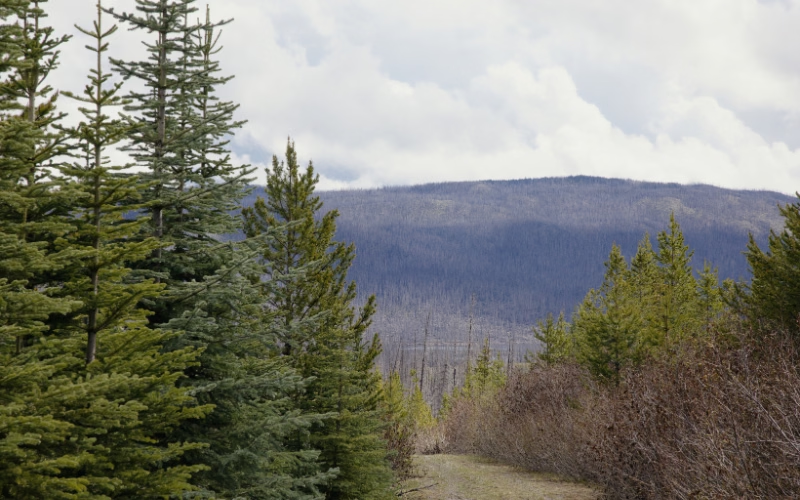
Verified tree planting can help businesses support restoration while giving teams access to clearer project data and reporting. Instead of simply saying a company planted trees, businesses can explain where the trees were planted, what project they supported, what reporting is available, and how the program connects to broader climate or sustainability goals. Through tree planting for businesses, companies can support verified projects and connect restoration activity to CSR, ESG, customer engagement, and employee participation.
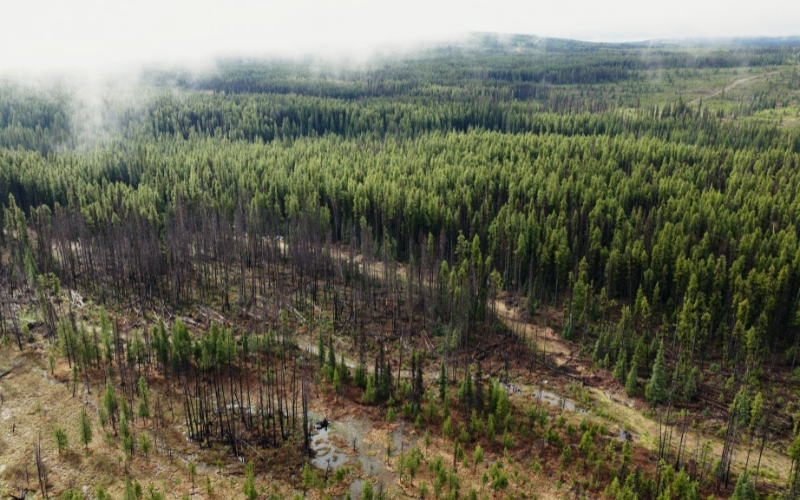
Forest restoration helps damaged or degraded forest ecosystems recover over time. This may include native planting, biodiversity support, natural regeneration, post-wildfire recovery, land health, and long-term monitoring. Forest restoration can support the environmental side of ESG by helping companies invest in ecosystem recovery and track progress through project data. It is also important to communicate forest restoration carefully. A business should avoid broad claims and instead explain what the project supports, where it is located, and how progress is being measured.
Mangrove and coastal restoration can support shoreline resilience, marine biodiversity, coastal communities, and nature-based climate action. For businesses, mangrove projects can be especially relevant when CSR goals connect to ocean health, coastal protection, biodiversity, or community resilience. veritree’s mangrove restoration projects give businesses a way to support coastal ecosystems while tracking restoration progress over time.
Kelp and marine restoration help businesses expand CSR climate action beyond land-based projects. Kelp forests support marine biodiversity, ocean health, and blue ecosystem recovery. For brands connected to oceans, outdoor recreation, food systems, wellness, beauty, travel, or coastal communities, kelp seaforestation can provide a more aligned restoration story. Businesses can explore kelp seaforestation as part of a broader CSR or ESG strategy tied to marine restoration.
Urban restoration helps bring nature into cities. It can support greener community spaces, biodiversity, tree equity, climate resilience, and local well-being. For companies with urban customers, employees, or operations, urban restoration can make CSR feel closer to home. Through urban restoration projects, businesses can support nature-based action in urban environments while creating more tangible stories for employees and customers.
CSR programs can also support the social side of ESG by creating benefits for employees, customers, local communities, and the people connected to sustainability initiatives. This is where CSR can become especially powerful. A restoration project is not only about trees, land, water, or carbon. It can also be about jobs, livelihoods, training, food security, health, financial stability, gender equity, and community resilience where those outcomes are part of the project model and supported by data. veritree’s From the Ground stories show how restoration projects can connect environmental work with real human outcomes. In East Africa, veritree highlights stable job creation, women empowerment, and improved financial security for local team members. In Senegal, agroforestry projects have supported women through training, collective plots, food security, and savings groups. These types of project-level insights help CSR teams tell a fuller story and help ESG teams understand the social outcomes connected to restoration.
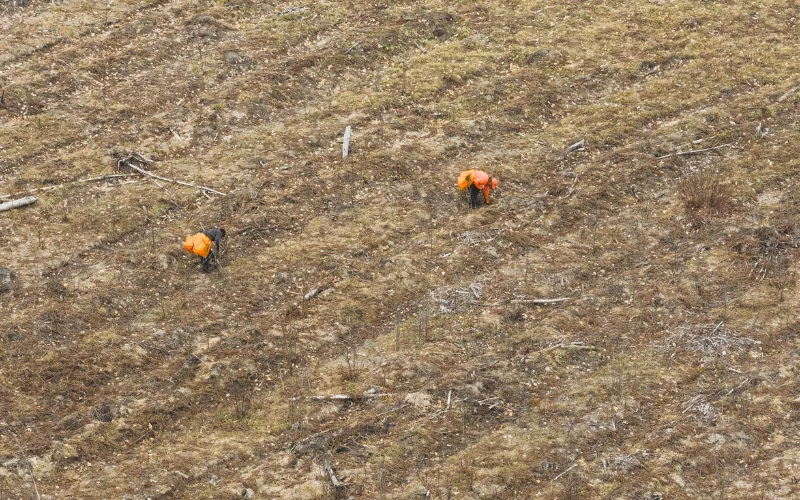
CSR programs can support the social side of ESG by giving employees a meaningful way to participate. This might include tree planting tied to employee birthdays, work anniversaries, wellness milestones, volunteering, internal challenges, or company-wide celebrations. The strongest employee engagement programs are easy to understand and easy to activate. Employees should be able to see what action is being taken, how it connects to the company’s values, and what impact is being tracked.
Community restoration programs can support local ecosystems and local people at the same time. Depending on the project, this may include job creation, training, food security, water access, health benefits, livelihood support, or community resilience. These outcomes should only be communicated when project data is available and the claim is clearly scoped. veritree’s Social Impact Dashboard shows how social impact can be measured through indicators such as number of employees, women in full-time work, women in leadership roles, access to water, health insurance, and access to financial services. This gives businesses a stronger way to understand how restoration can support the social side of ESG.
CSR programs can also involve customers directly. A brand might plant a tree for every purchase, fund restoration for every subscription, support a project for every referral, or connect loyalty actions to verified restoration. These programs help customers see that their actions are connected to something tangible. They can also give marketing, CSR, and ESG teams better stories to share, as long as the claims are specific and supported by reporting.
CSR programs can support stakeholder engagement when they provide real stories from the ground. Numbers matter, but stories help people understand what those numbers mean. A job created, a nursery supported, a woman entering a leadership role, a family gaining more financial stability, or a community restoring degraded land can make ESG and CSR feel more human. That said, impact storytelling should always be grounded in evidence. The strongest stories are connected to project data, reporting, and clear claim scope.
Governance is what helps CSR programs become credible within an ESG framework. It includes the systems, processes, documentation, and reporting practices that show how initiatives are selected, monitored, and communicated. A CSR program may be meaningful, but without reporting, it can be difficult to evaluate. Businesses need to show what was funded, how project decisions were made, what data exists, and how public claims are supported.
Good governance helps answer questions like:
This matters because sustainability claims are facing more scrutiny. Businesses need to avoid vague claims, define what each program covers, and support claims with documentation. veritree’s measurable impact approach can help businesses connect restoration activity to clearer project data, reporting, and stakeholder communication.
CSR programs can support ESG in many different ways. The best examples are specific, measurable, and easy to connect back to business goals.
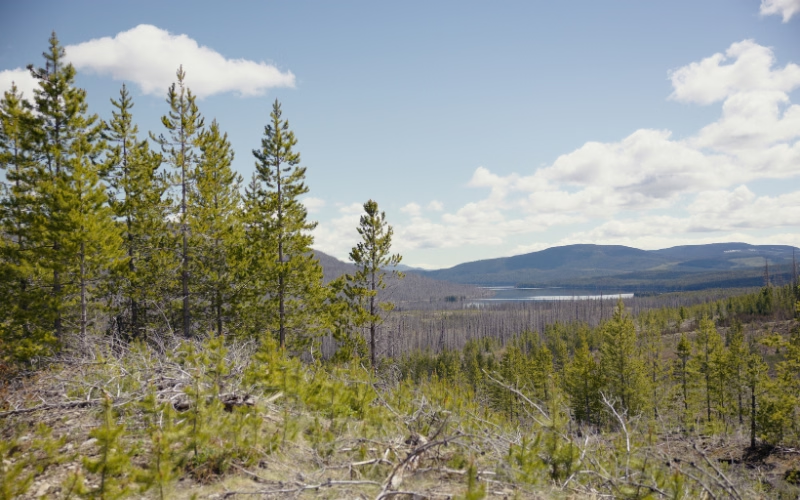
A company can support verified restoration projects and track outcomes related to biodiversity, land, water, people, and carbon sequestration. This type of CSR program supports the environmental side of ESG while creating data that can be included in sustainability reporting, stakeholder updates, and responsible impact communication. For example, a business may choose to support global restoration projects across different ecosystems, such as forests, mangroves, kelp, post-wildfire landscapes, or urban environments.
A company can connect employee milestones, volunteer campaigns, or internal sustainability challenges to verified restoration. For example, Les Mills, an international fitness brand, partnered with veritree to activate verified restoration in multiple ways. The brand plants trees to celebrate employee birthdays, online sign-ups, new instructors, every new club, and more. This type of program shows how CSR can be activated across different parts of a business, not just through one campaign. It connects employees, customers, instructors, clubs, and brand growth to a shared restoration initiative.
A brand can connect customer purchases, subscriptions, referrals, loyalty actions, or digital opt-ins to verified tree planting or restoration. This can make CSR more visible to customers while supporting ESG communication with project-level data. For example, a retailer might support one tree for every online order, while a subscription company might fund restoration for every new member. The important part is claim clarity. A brand should explain what the action supports, what project is connected, and where progress can be tracked. veritree’s marketable content tools can help brands turn verified impact into customer-facing experiences, dashboards, and content that are easier to understand and share.
A business can support restoration projects that may create local employment, livelihood support, education, food access, health access, or community benefits where relevant data is available. For example, veritree’s work in East Africa has highlighted stable jobs, healthcare access, and improved financial security for planting team members. In Senegal, agroforestry work has helped women diversify income, support food security, and participate in savings groups. These are the kinds of outcomes that can help CSR programs support the social side of ESG, as long as the claims are tied to available project data and reporting.
A company can build a recurring CSR initiative that contributes data and stories to ESG or sustainability reporting. For example, a business might run an annual Earth Month restoration campaign, plant trees for employee milestones each year, or support a long-term restoration project with annual reporting updates. Recurring programs can be especially useful because they create continuity. They give ESG teams a way to track progress over time and give CSR teams a consistent story to build on.
A business can tie event attendance, registrations, sponsorships, booth visits, or ticket sales to restoration impact. For example, a company might plant trees for every conference attendee, fund restoration for every webinar registration, or connect a product launch event to a specific restoration project. Event-based restoration programs can be highly engaging because the action is easy to understand. They also create a clear scope: the claim applies to the event or campaign, not necessarily the entire business.
CSR programs become more useful to ESG when they are measurable. That means setting clear goals, choosing initiatives with transparent data, tracking progress, and reporting outcomes responsibly.
A measurable CSR program should define:
For restoration-based CSR programs, this may include project location, restoration type, planting activity, species data, monitoring updates, community outcomes, biodiversity indicators, land and water outcomes, and estimated carbon to be sequestered where applicable. The goal is not to turn CSR into a spreadsheet only. The goal is to make sure the action can be understood, reported, and defended.

veritree’s platform supports project visibility, impact tracking, dashboards, reporting, and stakeholder communication, helping businesses connect CSR programs to measurable ESG progress.
As sustainability claims face more scrutiny, businesses need to communicate CSR and ESG activity carefully. Claims should be specific, evidence-backed, and clear about what the program covers. A vague claim like “we are sustainable” may create risk if it is not supported by clear evidence. A stronger claim would explain the specific action:
“Our CSR program supports verified tree planting in [project location], with project progress tracked through [reporting tool].”
Or:
“This campaign funds verified restoration activity in [project location], with reporting on planting activity, project updates, and estimated carbon to be sequestered where applicable.”
Responsible CSR and ESG communication should:
This is especially important for customer-facing CSR campaigns. If customers are being asked to participate, the claim needs to be easy to understand and easy to support with evidence.
Verified restoration can help connect CSR and ESG because it creates tangible action and measurable data. A CSR program may fund restoration. ESG reporting can then use project data, progress updates, and impact metrics to communicate outcomes. For example, a business might support forest restoration as part of a CSR campaign. That campaign may provide employee engagement, customer participation, and climate action storytelling. At the same time, ESG teams can use project data to report on restoration activity, biodiversity indicators, community outcomes, and estimated carbon to be sequestered where applicable. veritree’s team performs due diligence on planting and restoration projects before offering them to brands. Before a business becomes a partner, veritree helps tailor project selection based on the brand’s goals, audience, campaign needs, sustainability priorities, and reporting needs. This helps businesses choose projects that make sense for their CSR goals and can also support ESG measurement.
veritree helps connect CSR and ESG through:
Businesses can build CSR programs that support ESG goals by starting with clear priorities and building measurement into the program from the beginning.
Clarify whether the program is focused on climate action, community impact, employee engagement, customer participation, biodiversity, restoration, or carbon sequestration. A clear goal helps the business choose the right initiative and avoid vague claims.
Map the CSR program to environmental, social, or governance priorities.
For example:
This makes it easier to explain how the CSR program supports broader ESG goals.
Select projects or campaigns that can be tracked, documented, and reported. A measurable initiative should provide project details, data, reporting updates, and a clear evidence path for claims.
Use dashboards, project updates, and data to show progress over time. Impact reporting helps teams understand what is happening and gives stakeholders a clearer view of the program.
Create opportunities for customers, employees, investors, and communities to understand and participate in the impact. This could include employee milestone programs, purchase-based restoration, loyalty campaigns, event-based programs, or customer-facing dashboards.
Use specific, scoped, evidence-backed language. Avoid overclaiming and make sure every public claim can be supported with project data or documentation.
veritree helps businesses turn CSR commitments into verified restoration impact through project due diligence, tailored project selection, transparent impact data, and reporting tools.

veritree’s team reviews planting and restoration projects before offering them to brands. This gives businesses access to restoration opportunities that have already gone through due diligence before being presented as options.
veritree’s team helps partners choose available projects that align with their CSR goals, ESG priorities, audience, campaign needs, sustainability priorities, and reporting needs.
Businesses can support verified restoration projects, including reforestation, mangrove restoration, kelp seaforestation, post-wildfire restoration, urban restoration, and other nature-based solutions. Explore veritree’s restoration project portfolio to see the different ways businesses can support nature-based impact.
veritree’s platform supports project visibility, impact tracking, dashboards, reporting, and stakeholder communication. This helps businesses connect CSR programs to ESG reporting and gives teams the data they need to communicate progress more clearly.
Brands can connect CSR programs to customer purchases, loyalty actions, employee milestones, events, digital impact experiences, and more. There are many ways to activate a CSR program. A brand might plant trees for employee birthdays, new customer sign-ups, new instructors, new club openings, purchases, referrals, event registrations, product launches, or as an addition at checkout. This flexibility allows businesses to build programs that feel natural to their audience and aligned with their operations.
veritree helps brands communicate restoration activity with clearer, more specific, and better-scoped language. This helps businesses avoid vague sustainability claims and connect CSR messaging to project data and reporting.
CSR programs can support ESG programs when they are built around measurable action, transparent reporting, and credible impact. A strong CSR program does more than say a company cares. It creates action that can be tracked, shared, and connected to broader ESG goals. veritree helps businesses turn CSR commitments into verified restoration impact through project due diligence, tailored project selection, transparent impact data, and reporting tools that make progress easier to see, measure, and share.
Build CSR programs that support people, nature, and stronger ESG reporting.
CSR programs can support ESG programs by turning corporate responsibility commitments into measurable initiatives. These initiatives can create environmental and social impact that can be tracked, documented, and reported as part of a broader ESG strategy.
CSR focuses on how a business acts responsibly toward people, communities, and the environment. ESG focuses on how environmental, social, and governance performance is measured, managed, and reported.
Examples include verified tree planting, forest restoration, employee engagement campaigns, customer-facing impact programs, community restoration initiatives, event-based restoration, annual sustainability campaigns, and impact reporting programs.
CSR can support the environmental side of ESG through initiatives like verified restoration, reforestation, mangrove restoration, kelp seaforestation, urban restoration, waste reduction, and climate action programs.
CSR can support the social side of ESG through employee engagement, community partnerships, customer participation, local livelihood support, education, food access, health access, financial inclusion, and other social outcomes where relevant project data is available.
veritree helps businesses connect CSR and ESG through verified restoration projects, project due diligence, tailored project selection, impact data, reporting tools, and customer-facing impact experiences.
PREV BLOG