


Aquatic Ecosystem Restoration for Verified Impact
Read Now


November 2, 2026

Aquatic ecosystem restoration is the process of helping degraded water-based and water-connected ecosystems recover their ecological function, habitat value, and long-term resilience. It can include marine and coastal restoration, wetlands, mangrove forests, kelp forests, and restoration of terrestrial landscapes that influence downstream waterways. These projects can support biodiversity, aquatic habitat, water quality, coastal resilience, and healthier ecosystems. veritree helps businesses support verified aquatic restoration through mangrove restoration, kelp seaforestation, field-level project data, and transparent impact reporting.
Healthy aquatic ecosystems depend on the connections between water, land, plants, wildlife, and people. When these environments are degraded, the effects can spread well beyond the immediate project area. Habitat can disappear, biodiversity can decline, shorelines may become more vulnerable to erosion, water quality can deteriorate, and communities that depend on these ecosystems may face greater environmental and economic pressure. Aquatic ecosystem restoration helps restore the conditions these natural systems need to function.
For veritree, that includes direct restoration of coastal and marine environments through mangrove and kelp projects, as well as terrestrial restoration projects that can contribute to healthier watersheds and downstream aquatic habitats.
The value of these projects goes far beyond a single environmental metric. Aquatic restoration can help protect habitat, support biodiversity, strengthen water-connected landscapes, improve ecosystem resilience, and create visible environmental stories that businesses can share with customers, employees, and stakeholders.
Aquatic ecosystem restoration is the process of helping degraded water-based and water-connected environments recover their ecological health and function. The term covers a wide range of ecosystems because water connects landscapes in complex ways. Ocean habitats, coastlines, wetlands, rivers, lakes, estuaries, mangrove forests, kelp forests, and the terrestrial areas surrounding waterways can all influence aquatic ecosystem health. The specific restoration approach depends on the ecosystem and the pressures affecting it.
Marine ecosystem restoration focuses on habitats within oceans and coastal waters.
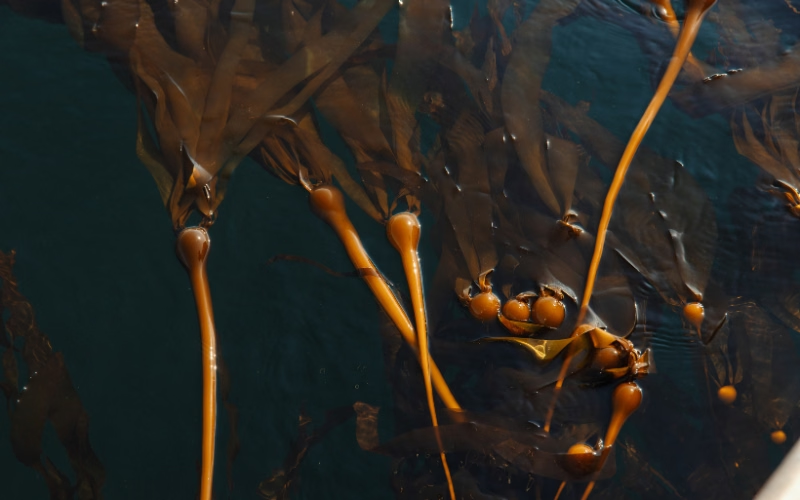
For veritree, kelp seaforestation is a key example. Kelp forests form complex underwater habitats that provide shelter, food, and nursery areas for fish and invertebrates while supporting broader marine biodiversity and ocean health. Restoring these environments can help recover habitat complexity and strengthen the ecological relationships that allow marine life to thrive.
Coastal ecosystem restoration focuses on environments where land and water meet.
Mangrove restoration is a strong example. Mangrove forests provide habitat for fish, birds, and other coastal species while helping stabilize shorelines, reduce erosion, and support communities that depend on healthy coastal ecosystems.
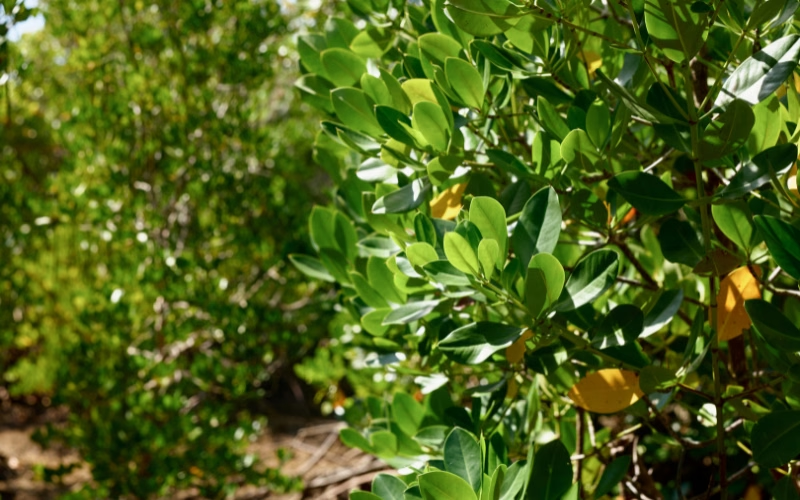
Because coastal ecosystems connect terrestrial and marine environments, their restoration can deliver environmental and social benefits across a much wider area.
Wetland restoration is another important form of aquatic ecosystem restoration. Wetlands exist between terrestrial and aquatic environments and can include marshes, swamps, bogs, and other water-influenced habitats. Healthy wetlands can support birds, amphibians, fish, insects, plants, and other wildlife while helping filter water, retain excess rainfall, and provide important habitat.
Learn more about the ecological role of wetlands in veritree's article on restoring coastal resilience and wetlands.
Aquatic ecosystem health is also influenced by what happens upstream. Forests and vegetation within a watershed can affect erosion, sediment movement, water infiltration, stream temperatures, and the health of rivers and aquatic habitats downstream.
Some of veritree's terrestrial projects create these watershed-connected benefits even though they are not standalone watershed restoration projects.
Aquatic ecosystems are among the most important habitats on Earth. They support wildlife, protect coastlines, influence water quality, connect food webs, and provide livelihoods and resources for communities around the world. When these habitats are damaged, the effects can extend throughout the ecosystem. Fish may lose nursery areas. Birds can lose feeding and nesting habitat. Sediment and runoff may affect waterways. Coastal communities can become more exposed to erosion. Marine food webs may lose the habitat complexity that supports species at different stages of life.
Restoration helps recover the natural processes and habitat conditions that make these environments functional. Mangroves can protect coastlines while supporting fish and wildlife. Kelp forests create underwater habitat for marine species. Wetlands can filter water and provide important transition zones between land and water. Forest restoration within watersheds can influence erosion, water flow, and downstream habitat.
Together, these examples show why aquatic restoration is about more than water alone. It is about the interconnected ecological systems that depend on it.
Nature-based solutions work with living ecosystems to address environmental challenges. In aquatic environments, that can mean restoring mangrove forests along degraded coastlines, recovering kelp forests beneath the ocean surface, protecting wetland habitat, or restoring terrestrial landscapes whose health affects rivers and downstream ecosystems.
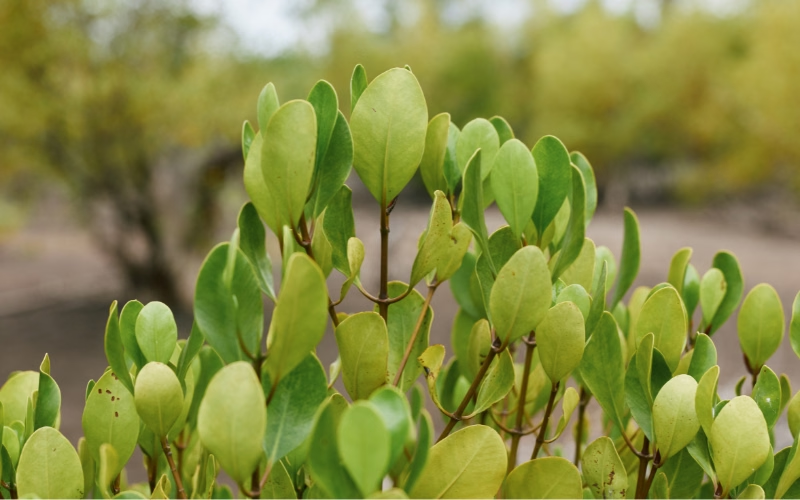
What makes these approaches powerful is that they can create multiple environmental and social outcomes at once.
For businesses, this creates an opportunity to support restoration that is connected to real ecological needs rather than treating sustainability as a single metric. Explore veritree's portfolio of verified restoration projects to see how different restoration types support people, nature, water, land, and biodiversity.
Biodiversity cannot thrive without habitat. Aquatic ecosystem restoration is ultimately about creating better conditions for plants, wildlife, and ecological communities to recover over time. Mangrove roots create nursery areas for fish and shelter for coastal species. Kelp forests provide structure in environments that would otherwise have far less habitat complexity. Wetlands connect terrestrial and aquatic food webs. Healthy watersheds influence the quality and stability of downstream habitats. Protecting biodiversity therefore requires more than counting individual plants or restoration inputs. The condition of the habitat matters. The mix of species matters. The connections between ecosystems matter. And monitoring change over time matters.
veritree uses technology and field-level data to better understand biodiversity outcomes across restoration projects. Bioacoustic monitoring and trail cameras at select sites help document species presence and changes in ecosystem health. Learn more about veritree's approach to biodiversity monitoring and wildlife conservation.
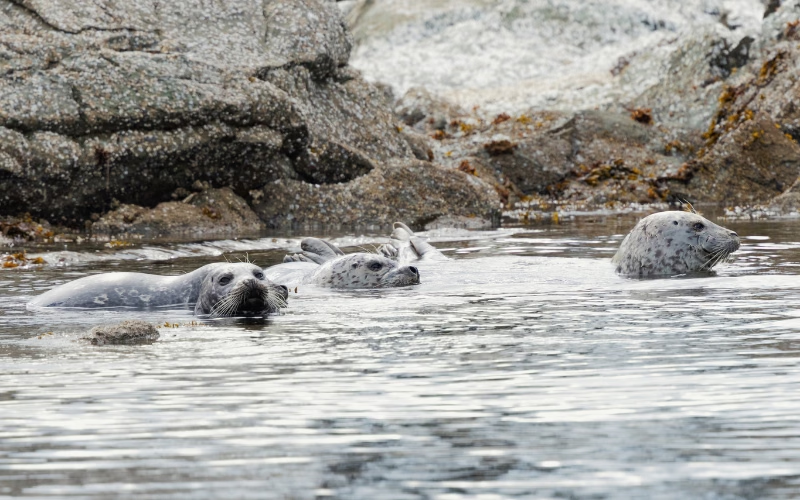
By treating habitat recovery and biodiversity as central restoration outcomes, businesses can support environmental initiatives that reflect the complexity of the ecosystems they are helping restore.
Restoration claims are only as strong as the evidence behind them. A business may say that it supports ocean restoration, biodiversity, or healthier ecosystems, but stakeholders increasingly want to understand what that actually means.
veritree combines project due diligence, field-level evidence, monitoring, technology, and reporting tools to give businesses greater visibility into the restoration they support. That means sustainability teams can communicate specific project activity rather than relying on broad environmental statements.
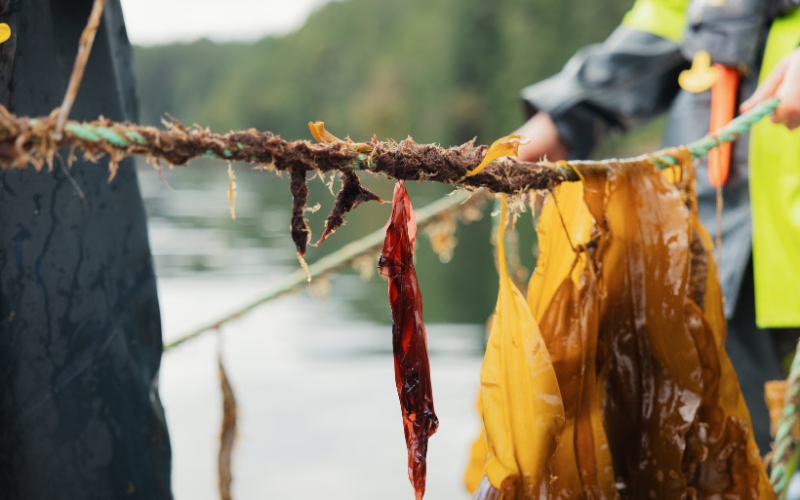
Instead of saying that a company is "saving the ocean," for example, it can explain that it supports kelp restoration at a specific site and describe the habitat and biodiversity outcomes being monitored there. Instead of saying a mangrove campaign makes a company "climate positive," it can identify the restoration project, location, activity supported, and available project-level impact data. This approach makes environmental communication clearer, more useful, and easier to substantiate. Learn more about veritree's approach to measurable restoration impact.
Businesses are under growing pressure to make sustainability initiatives credible, measurable, and meaningful. Aquatic ecosystem restoration gives companies another way to contribute to environmental action. The right project depends on what the business is trying to achieve. For a company focused on coastal resilience and community-connected environmental impact, mangrove restoration may be a strong fit. For a brand with a connection to oceans, marine life, fisheries, or coastal communities, kelp reforestation may provide a more relevant restoration story. Some businesses may also find value in terrestrial restoration projects where recovering forests contributes to healthier waterways and aquatic habitat downstream.
Aquatic projects can become part of ESG initiatives, CSR programs, customer campaigns, employee engagement, sustainability reports, or broader corporate nature strategies. What matters most is that the project aligns with the company's priorities and that the resulting communication reflects what the project is actually designed and monitored to achieve.
Choosing the right restoration project begins with understanding what your business wants its environmental investment to support.
Start with the outcome rather than the project type. Is your priority marine biodiversity? Coastal resilience? Community impact? Water-connected habitat? Customer engagement? Broader nature restoration? Clear priorities make it easier to choose a project with a logical connection to your sustainability strategy.
Different ecosystems create different outcomes and stories. Mangrove restoration may be appropriate for coastal resilience, habitat, fisheries, and community-connected impact. Kelp restoration may align with marine habitat, ocean health, biodiversity, and coastal communities.
Businesses should understand where restoration is happening and what information is available to demonstrate progress. Look for project-level evidence, monitoring, progress reporting, and defined impact measures. Transparent data makes the program more useful internally and helps teams communicate externally with greater confidence.
Restoration does not happen in isolation. Local communities, Indigenous knowledge holders, restoration teams, fisheries, land users, and other stakeholders may all be connected to an aquatic ecosystem. Strong restoration projects should reflect local ecological conditions and the needs of the people connected to the landscape.
Claims should match the evidence. Avoid extending a project-level outcome to an entire product, company, or environmental footprint unless the data supports that conclusion. Specific language is usually stronger. Explain what project your company supports, where it is located, what type of restoration is happening, and how progress is being tracked.
veritree helps businesses connect sustainability goals to verified restoration projects and gives teams the tools they need to understand and communicate progress.
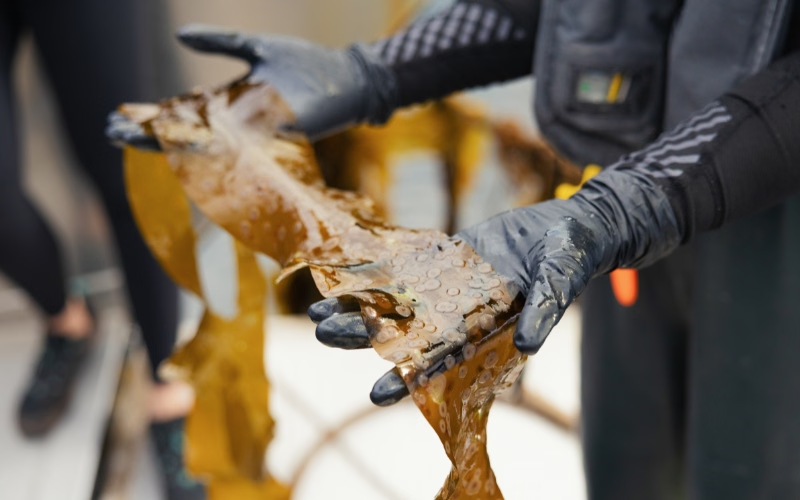
Every company has different sustainability priorities. veritree helps businesses identify available restoration opportunities that align with their goals, audiences, geographic interests, and impact priorities.
Restoration projects are implemented by on-the-ground partners and supported by veritree's technology, monitoring and verification approach. This gives businesses greater visibility into where restoration is taking place and what activity is occurring at the project level.
Restoration should not disappear from view once a campaign launches. veritree provides project data, updates, and reporting tools that help businesses follow progress and better understand the environmental impact they support. Through its measurable impact approach, veritree looks at restoration across outcomes that can include biodiversity, people, land, and carbon where appropriate.
Aquatic restoration creates stories that can be difficult to capture through numbers alone. A kelp forest growing beneath the surface, a restored mangrove coastline, returning wildlife, fishing communities, and field restoration teams all help stakeholders understand what environmental action looks like in practice. veritree helps businesses bring these stories forward through project updates, imagery, video, impact dashboards, and other communication assets.
Environmental restoration takes time. A business may begin with one project and later expand into different regions, ecosystem types, customer programs, employee initiatives, or broader restoration goals. veritree helps companies build restoration programs that can develop over time while maintaining clear project-level reporting.
Aquatic ecosystem restoration should be more than a sustainability claim. It should create impact that people can see, measure, understand, and trust. With veritree, businesses can support verified restoration projects, monitor progress over time, and communicate environmental impact through transparent data and meaningful stories from the field. From mangrove restoration along coastlines to kelp seaforestation beneath the ocean surface, veritree connects businesses with restoration rooted in real ecosystems and real ecological needs. The result is a broader approach to corporate nature action that values biodiversity, habitat, water, people, and transparent reporting alongside climate outcomes.
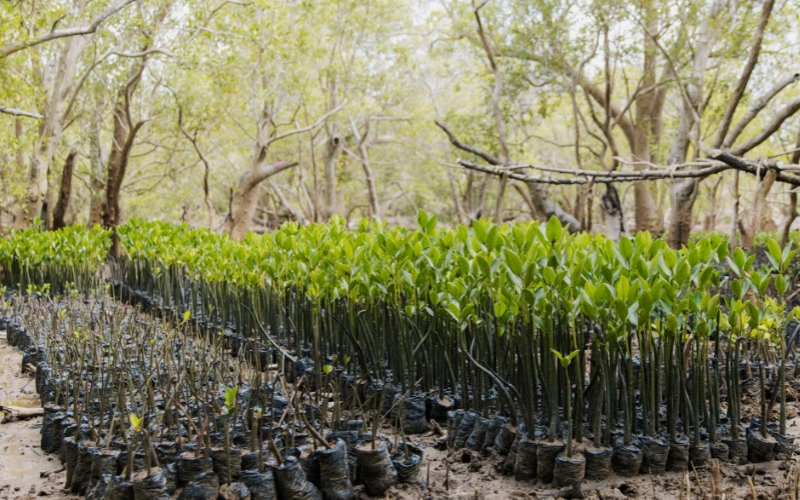
Your aquatic restoration program should be built on credible action and transparent reporting. veritree helps businesses support verified ecosystem restoration projects that strengthen biodiversity, restore coastal habitat, support communities, and create environmental impact your team can confidently share.
Explore projects that align with your sustainability priorities and connect your business to restoration happening in real ecosystems around the world.
Aquatic ecosystem restoration is the process of helping degraded water-based and water-connected environments recover their ecological function, habitat value, and resilience. It can include marine and coastal restoration, wetlands, mangrove forests, kelp forests, and terrestrial restoration that contributes to healthier waterways and downstream aquatic habitats.
Aquatic ecosystem restoration can include mangrove restoration, kelp reforestation, wetland restoration, river and lake habitat restoration, and other initiatives designed to improve water-connected ecosystems. Within veritree's current portfolio, mangrove restoration and kelp seaforestation are the primary aquatic restoration types.
Aquatic habitats provide food, shelter, nursery areas, migration routes, and breeding grounds for many species. They can also influence water quality, shoreline resilience, fisheries, community livelihoods, and broader ecosystem health. Restoring degraded habitat helps recover the ecological conditions these systems need to support wildlife and communities over time.
Aquatic ecosystem restoration can strengthen natural systems that help coastlines and water-connected landscapes respond to environmental stress. Mangroves can help stabilize shorelines and reduce erosion. Wetlands can retain water and support flood resilience. Healthy terrestrial vegetation within a watershed can reduce sediment movement and support downstream water conditions. Climate resilience is therefore one potential outcome within a broader set of biodiversity, habitat, water, and community benefits.
No. Carbon may be relevant to certain aquatic ecosystems, but it should not be assumed to be the primary outcome of every project. For example, kelp restoration is strongly connected to marine habitat, biodiversity, and ocean health. Businesses should communicate the outcomes that each project is specifically designed and monitored to support.
Businesses can support aquatic restoration by investing in verified projects that align with their sustainability goals. Through veritree, companies can support mangrove restoration and kelp seaforestation projects and access transparent project information, reporting, and field-level stories that help communicate progress responsibly. Explore veritree's restoration project portfolio to learn more.
Verification helps businesses understand what their environmental investment is actually supporting. Project-level evidence can show where restoration is happening, what ecosystem is involved, who is implementing the work, how progress is being monitored, and what outcomes can be responsibly communicated. That gives companies a stronger foundation for sustainability reporting and helps reduce reliance on vague or unsupported environmental claims.
PREV BLOG


