


We acknowledge that our company is based on the traditional, ancestral and unceded territories of the Coast Salish Nations — xʷməθkʷəy̓əm (Musqueam), Sḵwx̱wú7mesh (Squamish) and səlil̓ilw̓ətaʔɬ (Tsleil-Waututh).


Forest restoration is more than planting trees. It is the work of recovering ecosystems, supporting biodiversity, restoring degraded landscapes, and creating measurable climate impact over time.
Forest restoration is the process of helping damaged or degraded forest ecosystems recover through native tree planting, natural regeneration, biodiversity support, soil recovery, and long-term monitoring. veritree helps businesses support verified forest restoration projects with transparent impact data, reporting tools, and measurable climate action they can see, measure, and share.
With project due diligence completed by the veritree team before projects are offered to brands, businesses can support restoration opportunities that align with their goals, values, and sustainability priorities.

Forest restoration is the process of helping damaged, degraded, or deforested forest ecosystems recover.
It can include planting native tree species, supporting natural regeneration, improving soil stability, restoring habitat, monitoring biodiversity, and helping forests become more resilient over time.
Forest restoration may be needed after wildfire, deforestation, land degradation, logging, erosion, poor land-use practices, or environmental damage. The goal is to help restore ecosystem function so the forest can support biodiversity, water systems, land health, local communities, and long-term climate resilience.
For businesses, forest restoration provides a tangible way to support climate action and sustainability goals through projects that can be monitored, measured, and shared.
Forest restoration helps recover the structure of a forest.
That can mean reintroducing native tree species, supporting canopy growth, encouraging understory vegetation, improving soil conditions, and helping the forest become more stable over time.
A restored forest should not only look like a forest. It should begin functioning like one. That means creating conditions where plants, wildlife, water, soil, and natural regeneration can work together again.
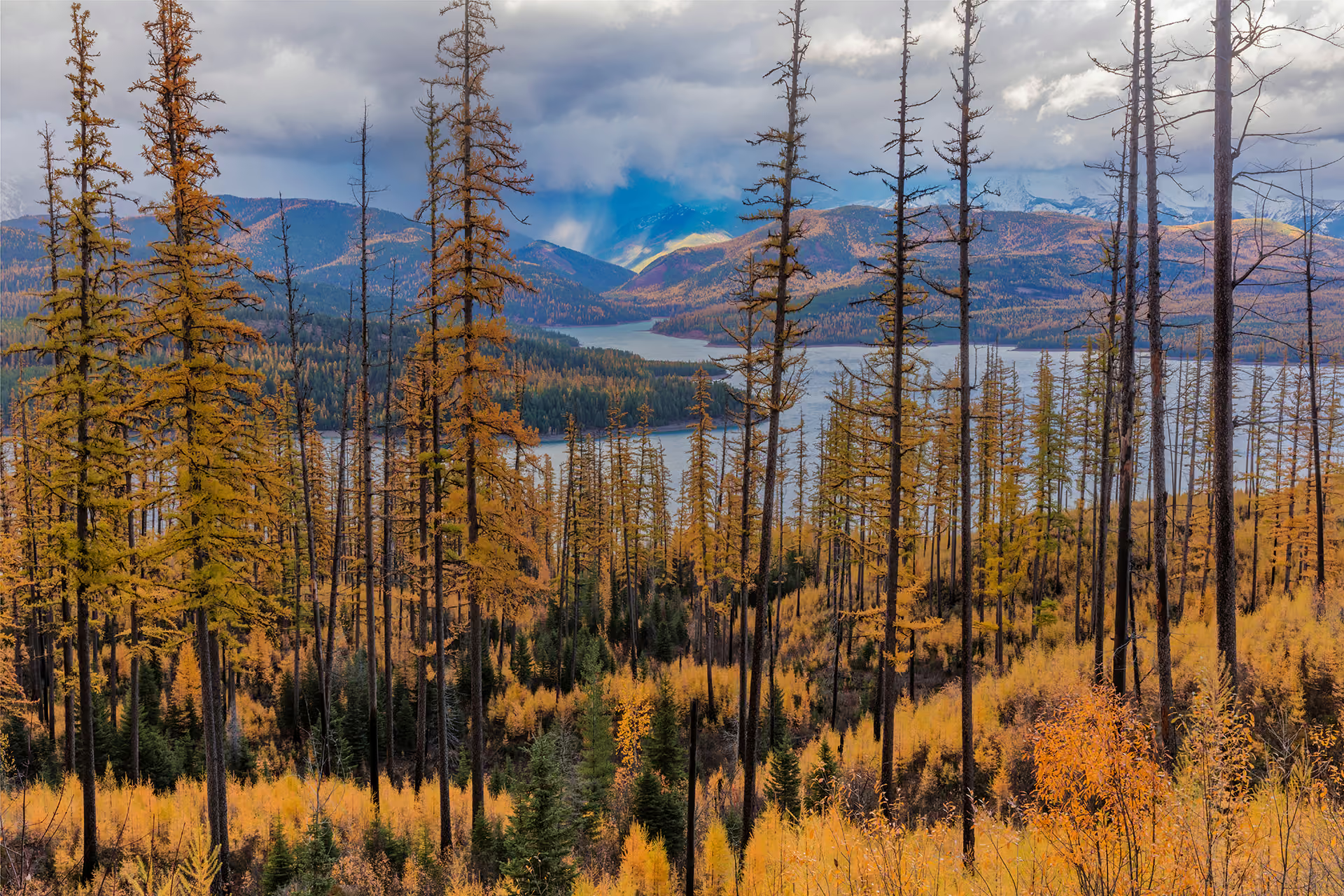
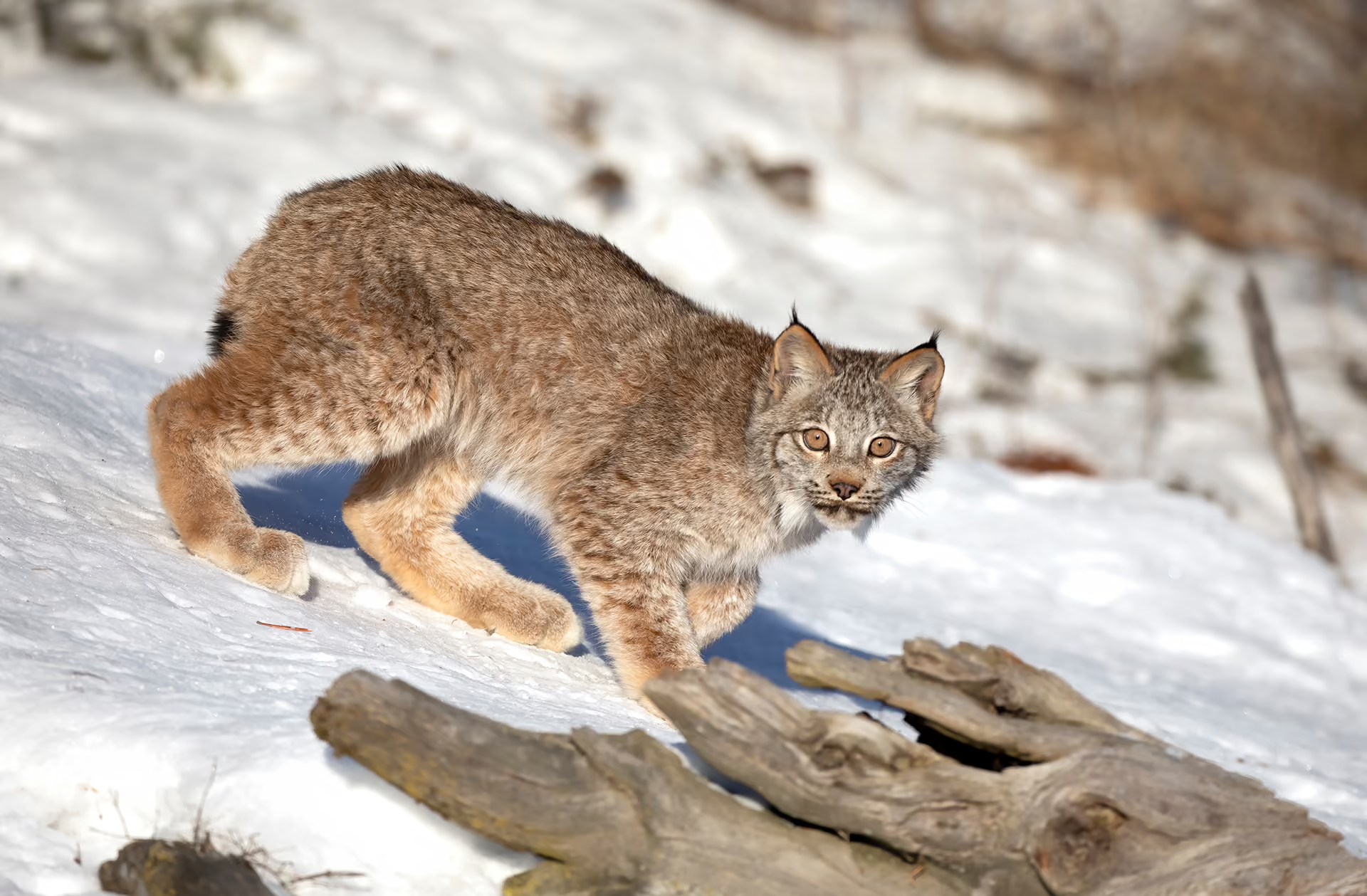
Biodiversity is a key part of forest restoration.
Healthy forests support birds, insects, mammals, pollinators, fungi, native plants, and countless other species. When forests are damaged or degraded, those species can lose habitat, food sources, and the conditions they need to thrive.
Forest restoration helps recover habitat and support the return of biodiversity over time. For businesses, this makes restoration a meaningful way to move beyond carbon-only thinking and support broader ecosystem health.
Forest restoration can help landscapes become more resilient.
Restored forests can support soil stability, water regulation, biodiversity, and ecosystem recovery. In areas affected by wildfire, degradation, or land-use change, restoration can help rebuild the natural systems that make landscapes stronger over time.
Climate resilience is not created in a single season. It takes long-term restoration, monitoring, and care.
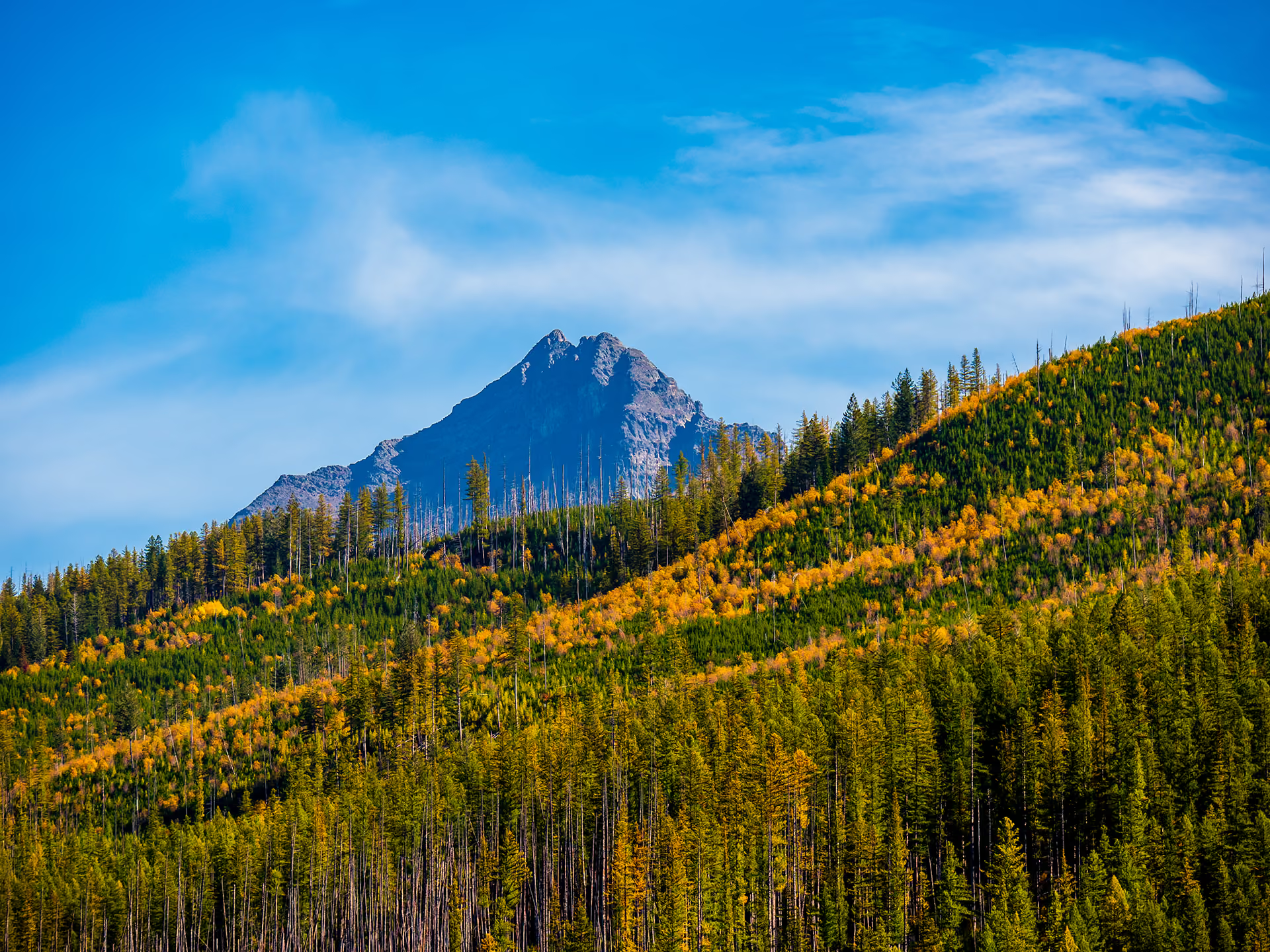
Businesses need forest restoration projects they can stand behind. That means knowing where restoration is happening, what type of project is being supported, who is doing the work, how progress is being monitored, and what outcomes are being tracked.
veritree’s team performs due diligence on planting and restoration projects before offering them to brands. Before a company becomes a partner, veritree’s team helps tailor project selection based on the brand’s goals, audience, sustainability priorities, or campaign needs. This gives businesses access to reviewed restoration opportunities and support in choosing the projects that best align with their impact strategy.
Verified forest restoration can help businesses understand:

Where the project is located
What ecosystem is being restored
What species or restoration approaches are being used
Who is implementing the project on the ground
How progress is being monitored
What outcomes are being measured
How impact can be shared responsibly
With veritree, forest restoration is supported by transparent project data, monitoring, and reporting tools, so businesses can communicate impact with more confidence.

Severe wildfires can leave landscapes damaged and vulnerable. Post-wildfire forest restoration helps support recovery by reintroducing suitable native species, stabilizing land where needed, and helping rebuild forest structure over time.
These projects can support habitat recovery, biodiversity, climate resilience, and long-term ecosystem health. For businesses, post-wildfire restoration offers a visible way to support landscapes recovering from climate-related and environmental pressures.
Some landscapes are degraded by erosion, poor soil conditions, habitat loss, deforestation, or past land-use practices. Forest restoration can help bring life back to these areas by improving conditions for native species, rebuilding vegetation cover, and supporting ecosystem recovery.
Restoring degraded land is often a long-term process, requiring planning, monitoring, and a clear understanding of what the landscape needs to recover.
Some forests need support after past logging or land-use activity. Forest restoration can help rebuild forest structure, support native species, improve biodiversity, and strengthen long-term ecosystem function. In some cases, restoration can also support working landscapes that balance ecological recovery with community and livelihood needs.
Climate-resilient reforestation considers local conditions and long-term ecosystem health. That means choosing restoration approaches and species that are suited to the landscape and better positioned to support recovery over time. It also means monitoring progress and adapting as conditions change. Businesses supporting climate-resilient forest restoration can help fund projects designed for long-term environmental value, not just short-term planting activity.
Forest restoration should support more than tree counts. A healthy forest is full of life. It supports birds, insects, pollinators, mammals, fungi, native plants, soil organisms, and the natural systems that allow biodiversity to return and thrive.
Biodiversity-focused forest restoration helps rebuild habitat and improve ecosystem conditions over time. This is especially important in degraded landscapes where habitat loss has reduced the ability of wildlife and native species to survive.
For businesses, biodiversity makes forest restoration more meaningful. It helps connect climate action to broader environmental outcomes and gives companies a way to support nature beyond a single metric.
Forest restoration can help support biodiversity by:
Restoring native tree and plant species
Rebuilding habitat for wildlife and pollinators
Improving ecosystem structure
Supporting soil and water systems
Creating conditions for natural regeneration
Strengthening long-term ecosystem resilience
veritree’s approach to restoration impact looks beyond inputs and considers broader outcomes across areas such as biodiversity, people, water, land, and carbon sequestration. This gives businesses a more complete way to understand the impact of the forest restoration projects they support.
Forest restoration should be visible.
veritree helps businesses access project updates, photos, stories, and ground-level information that show where restoration is happening and how work is progressing. This gives stakeholders a clearer connection to the projects being supported.
Forest restoration should be measurable.
Depending on the project, businesses can track restoration activity and outcomes related to trees planted, areas restored, biodiversity, land health, water systems, community impact, and carbon sequestration. Transparent data helps businesses understand the value of restoration beyond the planting day.
Forest restoration should be easier to communicate.
With dashboards, reports, project content, and digital assets, businesses can share restoration progress with customers, employees, investors, boards, and other stakeholders. This helps turn forest restoration into a credible impact story people can understand and trust.
Businesses can support forest restoration in different ways depending on their goals, audience, and sustainability priorities. Some companies may want to connect restoration to customer purchases. Others may want to build forest restoration into ESG programs, employee engagement, corporate sustainability strategies, or long-term climate action plans.
Businesses can support verified forest restoration projects that align with their values, geography, audience, and impact priorities.
veritree’s team reviews projects before offering them to brands, and then helps partners choose restoration opportunities that fit their goals.
Companies can connect customer participation to forest restoration. This might include planting trees for purchases, subscriptions, referrals, renewals, loyalty actions, digital opt-ins, or campaign participation. This approach helps customers feel connected to the impact and makes restoration part of the brand experience.
Forest restoration can support ESG programs by contributing to environmental and social priorities. Projects may support biodiversity, ecosystem recovery, land health, water systems, community outcomes, and carbon sequestration. With transparent data and reporting tools, businesses can connect restoration to ESG communication more clearly.
Forest restoration can help employees connect with a company’s sustainability goals. Businesses can tie restoration to employee milestones, internal sustainability campaigns, team challenges, company anniversaries, or volunteer initiatives. This helps make climate action more tangible for the people inside the organization.
Forest restoration is long-term work. Businesses can move beyond one-time campaigns by building ongoing restoration partnerships that support projects year after year. This creates more opportunity for storytelling, stakeholder engagement, and measurable impact over time.

veritree’s team performs due diligence on planting and restoration projects before offering them to brands. Before a business becomes a partner, veritree’s team helps tailor project selection based on the company’s goals, geography, audience, sustainability priorities, and campaign needs. This helps businesses choose forest restoration projects that fit their strategy and are easier to communicate with confidence.
Forest restoration projects are implemented with on-the-ground partners and supported by veritree’s verification approach. This helps businesses understand that the work they are supporting is being monitored, tracked, and measured over time.
veritree provides access to project updates, impact data, dashboards, reporting tools, and digital content that make forest restoration easier to measure and share. Businesses can use this information to understand progress and communicate restoration impact responsibly.
Forest restoration becomes more powerful when people can connect with it. veritree helps businesses turn restoration into stories, reports, digital assets, and impact experiences that customers and employees can understand. This makes climate action more visible and more engaging.
Forest restoration does not end after planting. veritree supports businesses as they build long-term restoration programs, expand their project portfolios, and continue communicating impact over time. This helps companies move from one-time action to ongoing climate and sustainability impact.
Forest restoration can take many forms depending on the landscape, ecosystem needs, and project goals.
Examples of forest restoration include:
Post-wildfire forest restoration
Terrestrial reforestation
Agroforestry and working landscapes
Urban forest restoration
Watershed and riparian forest restoration
Biodiversity-focused forest restoration
Community-led restoration projects
Each project type supports different environmental and social outcomes. Some may focus on recovering degraded landscapes. Others may restore habitat, support communities, improve watershed health, or contribute to carbon sequestration. The right project depends on what your business wants to support and how you want to engage stakeholders in the impact.
Forest restoration is long-term climate action. It helps restore ecosystems, support biodiversity, strengthen communities, improve land health, and create measurable impact over time.
veritree helps businesses support verified forest restoration projects with the transparency, data, and reporting tools needed to track progress and share results with confidence. With project due diligence completed by the veritree team and ongoing support from the team, businesses can choose forest restoration projects that align with their goals and communicate impact responsibly. Support forest restoration that people can see, measure, and share.
Forest restoration is the process of helping damaged, degraded, or deforested forest ecosystems recover. It can include planting native tree species, supporting natural regeneration, restoring habitat, improving soil stability, and monitoring long-term ecosystem health.
Forest restoration is important because healthy forests support biodiversity, soil stability, water systems, wildlife habitat, community resilience, and carbon sequestration. Restoration helps damaged landscapes recover and contributes to long-term climate action.
Not exactly. Tree planting can be part of forest restoration, but great restoration programs go further. Forest restoration focuses on recovering ecosystem function, supporting biodiversity, improving land health, and monitoring long-term outcomes.
Businesses can support forest restoration by funding verified projects, linking customer actions to tree planting, building restoration into ESG or CSR programs, and working with partners that provide transparent impact data.
veritree helps businesses support restoration projects with monitoring, ground-level transparency, data collection, and reporting tools that make impact easier to track, measure, and share.