


We acknowledge that our company is based on the traditional, ancestral and unceded territories of the Coast Salish Nations — xʷməθkʷəy̓əm (Musqueam), Sḵwx̱wú7mesh (Squamish) and səlil̓ilw̓ətaʔɬ (Tsleil-Waututh).

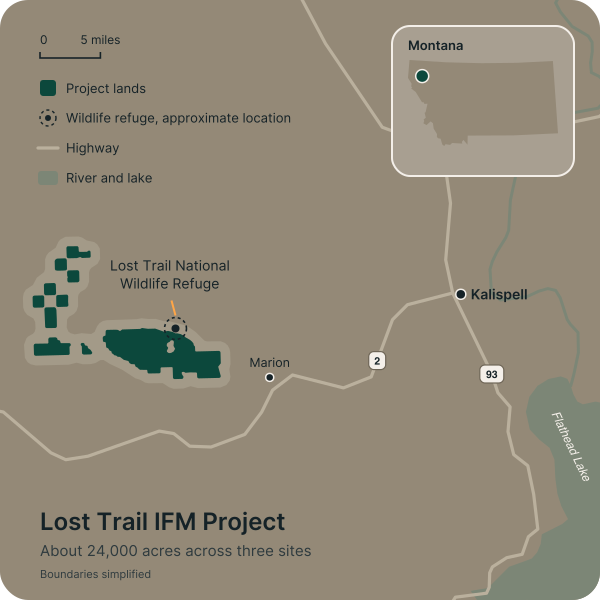
On the edge of the Lost Trail National Wildlife Refuge in Western Montana grizzly country, the landowner made a choice to change their harvest plans in order to keep more trees growing.
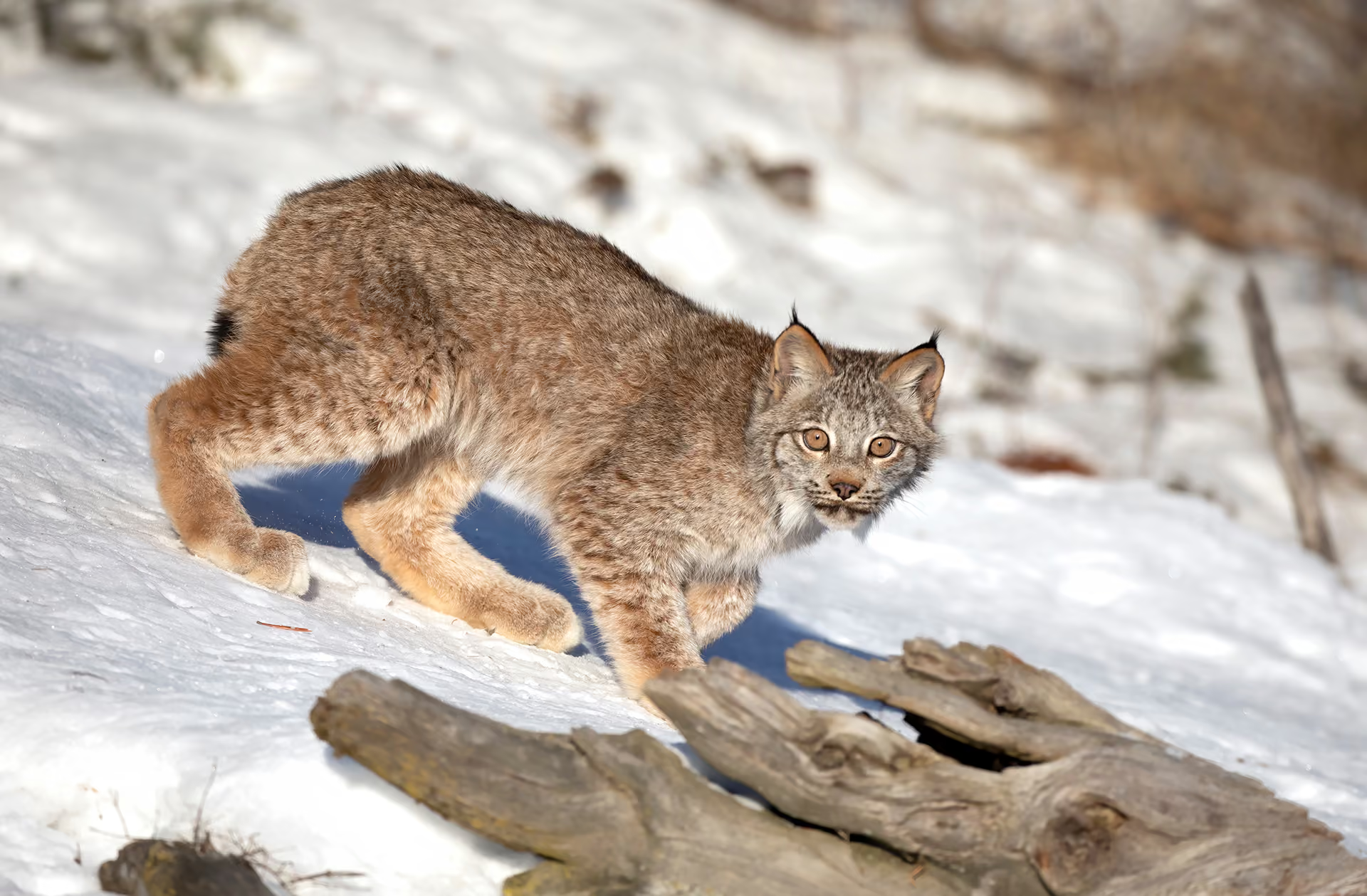
The project area is neither a preserve nor a plantation, but rather a working forest. The landowner and project developer decided that extending rotations, deferring harvests, and thinning for fire resilience are the right choices for this ecosystem. Under this model, more carbon stays in the forest, and habitat for grizzly bear, Canada lynx, and wolverine is far less disturbed. The difference between what this forest is doing under the carbon project scenario and what it would have done under shorter rotations becomes verified carbon credits, nearly all of them tagged removals.

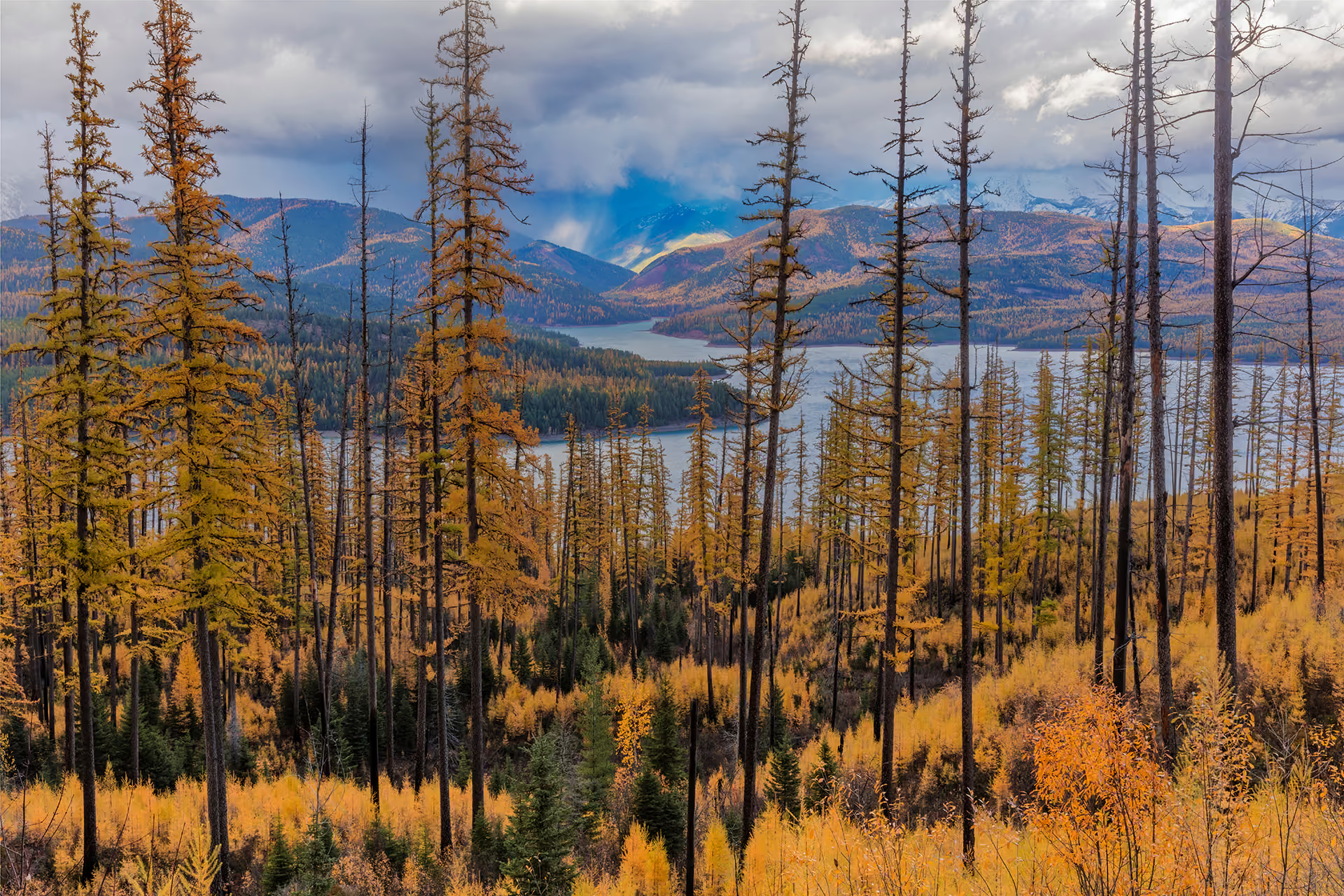

Trees grow bigger and older than they would on a typical industrial harvest schedule.

Each year the extra carbon standing in the forest is measured against business as usual and audited by independent third parties.

A conservation easement, Montana streamside protection and slash abatement laws, and a native fish habitat plan underpin the project.

20% of every issuance goes to ACR's buffer pool, backed by a 40-year project commitment.

Location: Western Montana, USA, adjacent to the Lost Trail National Wildlife Refuge

Project Type: Improved forest management
(harvest deferral)

Project Term: 40-year commitment through 2061, with a 20-year crediting period from 2021

Carbon Benefits: Removals - carbon added to the forest by keeping trees growing

Co-Benefits: Habitat for grizzly bear and Canada lynx, with wolverine using the forest for travel corridors. Also fisher, bull trout, redband trout, westslope cutthroat trout, and Western quillwort. SFI certified across the ownership.

Certification: American Carbon Registry (ACR)

Registry and Credit Type: ACR753 · Removals
Vintages: 2021 to 2024 + more each year

Connecting you with with high-quality, nature-based offsets

Impactful storytelling & engagement

Facilitating large-scale investment to accelerate conservation impact
Tell our team about your goals, your volume, and the story you need to tell. We'll come back with a proposal naming the projects and prices.
